North American Aviation
P-51 Mustang
 Steve CarmichaelLast updated April 3, 2026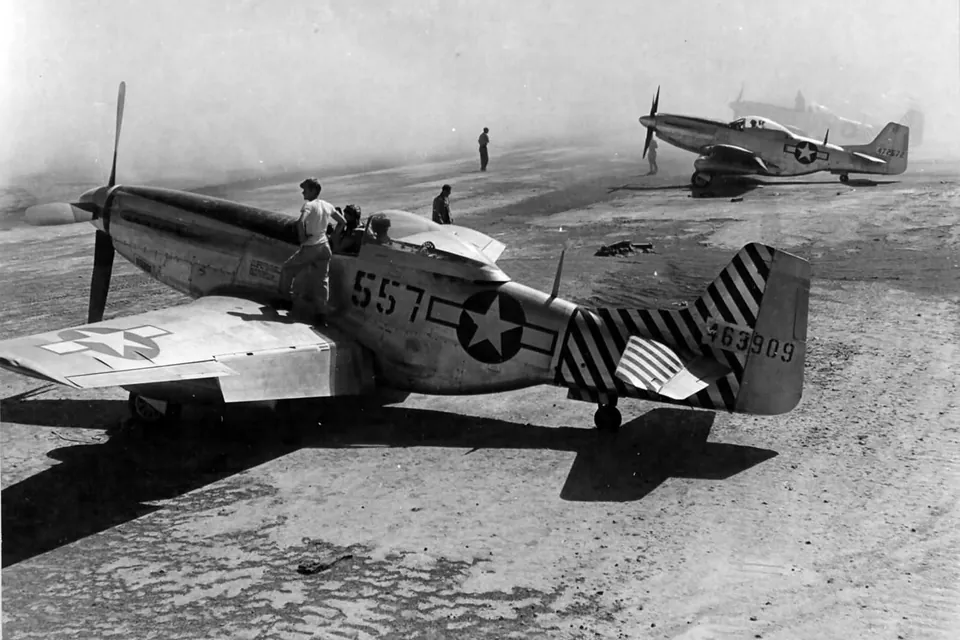
The P-51 Mustang was one of the most consequential fighter aircraft of World War II, especially once paired with the Merlin engine that transformed its high-altitude capability and escort radius. In the European theater, Mustangs are credited with destroying 4,950 enemy aircraft in the air — the highest total for any USAAF fighter in that theater.
P-51 Mustang at a Glance
- Role
- Fighter
- Manufacturer
- North American Aviation
- Nation
- United States
- Era
- World War II
By the Numbers
15,875
Built
14,855
Total Ordered
4,950
Enemy Aircraft Destroyed
437 mph
Max Speed (P-51D)
1,650 mi
Range (P-51D)
41,900 ft
Ceiling (P-51D)
6x .50 cal
Guns
Aircraft Description
The North American P-51 Mustang is widely regarded as the finest all-around fighter of World War II. Originally designed for the RAF, it became the primary long-range escort fighter for USAAF bombers over Europe once fitted with the Rolls-Royce Merlin engine. The Mustang achieved an outstanding kill ratio and helped establish Allied air superiority in the final years of the war.
Paint Schemes and Markings
The P-51 Mustang wore some of the most visually striking markings of any WWII fighter, evolving from drab camouflage to gleaming natural metal adorned with colorful fighter group identification markings.
- RAF Allison-Engine Models (1942-1943): Early Mustang I/IA/II aircraft delivered in RAF Dark Green and Ocean Gray upper surfaces over Sky (Sky Type S) undersides. Used primarily for low-level tactical reconnaissance.
- Olive Drab over Neutral Gray (1942-1944): Standard USAAF scheme — Dark Olive Drab (ANA 613) uppers over Neutral Gray (ANA 603) undersides. P-51B/C models in the ETO and MTO wore this scheme through early 1944. Black anti-glare panel forward of windscreen.
- Natural Metal Finish (Spring 1944 onward): The USAAF discontinued camouflage painting to save weight (~25 lbs) and increase speed (~5-10 mph). NMF P-51D/K models began arriving from February-March 1944 and became standard by autumn 1944. The gleaming silver finish became the Mustang's iconic look.
- D-Day Invasion Stripes (June 1944): Five alternating black and white stripes, each 18 inches wide, applied to lower wings and rear fuselage. Upper wing stripes overpainted within days. All stripes removed by end of 1944.
- Fighter Group Nose Colors: VIII Fighter Command assigned distinctive nose colors and patterns to each fighter group from mid-March 1944. Famous examples include the 352nd FG's blue noses ("Blue-nosed Bastards of Bodney"), the 357th FG's red/yellow checkerboard, and the 4th FG's red noses. These bold markings on natural metal aircraft are among the most popular modeling subjects.
- Squadron Code Letters: Two-letter codes in 24-36 inch letters painted on fuselage sides — medium gray on OD aircraft, black on natural metal.
Design Features
Key engineering and design choices that defined the P-51 Mustang's capabilities.
NACA Laminar-Flow Wing
A revolutionary low-drag airfoil that gave the P-51 its exceptional speed and range. The wing's smooth airflow pattern reduced drag by up to 25% compared to conventional designs, directly translating to higher top speed and longer range on the same fuel.
Rolls-Royce Merlin Engine
The switch from the Allison V-1710 to the two-stage supercharged Packard-built Merlin V-1650 transformed the P-51 from a capable low-altitude fighter into the premier high-altitude escort of the war. Above 25,000 feet, the Merlin-powered Mustang outperformed every Luftwaffe opponent.
Bubble Canopy (P-51D)
The P-51D replaced the earlier razorback fuselage with a cut-down rear deck and blown bubble canopy, giving the pilot unobstructed 360-degree visibility — critical for spotting enemy fighters before they could attack.
Long-Range Internal Fuel Capacity
With 269 gallons of internal fuel (184 in wing tanks plus 85 in a fuselage tank), the P-51D had a combat radius exceeding 750 miles — enough to escort bombers from England to Berlin and back, a feat no other Allied fighter could match.
Role Flexibility
Beyond its famous escort role, the P-51 excelled as a fighter sweep aircraft clearing the skies ahead of bomber formations, a fighter-bomber carrying up to 2,000 lbs of ordnance, and a tactical reconnaissance platform with camera-equipped F-6 variants.
Engines & Armament
Powerplant and weapons configuration for the P-51 Mustang's primary production variant.
Powerplant
Packard V-1650 Merlin (license-built Rolls-Royce Merlin); earlier variants used Allison V-1710
Armament
6x .50 caliber M2 Browning machine guns; up to 2,000 lbs of bombs or 10x 5-inch rockets
Specifications
Key dimensions and performance figures for the P-51 Mustang's primary production variant.
- Crew
- 1
- Length
- 9.83 m(32.3 ft)
- Wingspan
- 11 m(36.1 ft)
- Height
- 4.077 m(13.4 ft)
- Wing Area
- 21.8 m²(235 ft²)
- Max Speed
- 710 km/h(441 mph)
Variants & Models
Each P-51 Mustang variant introduced changes to the airframe, engine, or armament. Visual ID features help modelers and spotters distinguish between versions.
P-51A
310
Built
- Powerplant
- Allison V-1710
Visual ID
Early framed canopy + Allison-era role context
Allison-powered block; excelled at low-to-medium altitude
A-36 Apache
500
Built
- Powerplant
- Allison V-1710
Visual ID
Dive brakes distinguish from fighter variants
Dive bomber / ground attack derivative of the Mustang family
P-51B
1,988
Built
- Powerplant
- Packard Merlin V-1650-3
Visual ID
Razorback spine; Malcolm hood often seen in RAF/ETO photos
First Merlin-powered Mustang; RAF Mustang III. Includes some F-6B recon variants.
P-51C
1,750
Built
- Powerplant
- Packard Merlin V-1650-3
Visual ID
Razorback; closely related to B, separated by production line
Includes some F-6C recon variants
P-51D
7,956
Built
- Powerplant
- Packard Merlin V-1650-7
- Max Speed
- 703 km/h(437 mph)
- Range
- 2,655 km(1,650 mi)
- Ceiling
- 12,771 m(41,900 ft)
Visual ID
Bubble canopy is the hallmark; later dorsal fin fillet common
Largest production block. Museum fact sheet: 437 mph max speed, 1,650 mi range, 41,900 ft ceiling. The definitive mass-production Mustang.
P-51K
1,500
Built
- Powerplant
- Packard Merlin V-1650-7
Visual ID
Bubble canopy like D; prop differences in many references
Often associated with RAF "IVa" in recognition contexts
Development & Operational Timeline
Key milestones in the P-51 Mustang's journey from design through operational service.
British Requirement Drives Rapid Design
A British requirement drives a rapid North American Aviation design program (NA-73 lineage), conceived at extraordinary speed.
Early Allison-Powered Mustangs in RAF Service
Early Mustangs enter RAF service for tactical reconnaissance and ground-attack roles, aligned with the Allison engine's low-to-medium altitude performance envelope.
Merlin Engine Integration
The airframe is matched to the Rolls-Royce / Packard Merlin engine family, proving high-altitude potential and transforming the aircraft's combat role.
Escort Gap Highlighted
Deep-penetration raids like Regensburg-Schweinfurt demonstrate the critical need for long-range fighter escort — a role the Merlin-powered Mustang would fill.
Mustang Becomes Primary Long-Range Escort
P-51D arrives in quantity in Europe; becomes the primary long-range escort fighter. Fighter sweep and interdiction missions grow significantly.
Very-Long-Range Escort from Iwo Jima
Mustangs operate from Iwo Jima to escort B-29 Superfortress raids against Japan — an emblematic late-war application of the type's range.
Korean War Service
Redesignated F-51, the Mustang serves in the Korean War in ground-attack and close air support roles before being replaced by jet aircraft.
Combat History
Major engagements and missions that defined the P-51 Mustang's combat record.
Combined Bomber Offensive Escort Operations
1944-1945Mustangs provided long-range escort for heavy bomber formations penetrating deep into Germany, conducting fighter sweeps and airfield attacks in addition to escort duty.
The highest credited aerial destruction total for any USAAF fighter in the European theater. The Mustang's escort capability directly addressed the crisis highlighted by unescorted deep-penetration raids.
Iwo Jima B-29 Escort Missions
1945Mustangs based on Iwo Jima provided very-long-range escort for B-29 bombing raids against the Japanese home islands.
Demonstrated the Mustang's extraordinary range capability in a different operational geometry than European bomber streams.
Unit Markings
The P-51 Mustang served with units whose markings are documented in our markings reference guides.
8th Air Force Markings Lookup
Tail symbols, fuselage codes, and division color schemes for every strategic bomber and fighter group based in England.
9th Air Force Markings Lookup
Squadron codes, cowling colors, and tail markings for every tactical fighter and bomber group in the ETO.
15th Air Force Markings Lookup
Wing symbols, tail color schemes, and squadron markings for every strategic bomber and fighter group based in Italy.
5th Air Force Markings Lookup
Tail numbers, group insignia, and squadron markings for every bomber, attack, and fighter unit in the Southwest Pacific Theater.
Production & Service
From first flight to retirement — the P-51 Mustang's operational lifespan at a glance.
- Number Built
- 15,875
- First Service
- 1942
- Retired
- 1984
- Status
- Retired
Where to See One
Surviving P-51 Mustang aircraft you can visit today. Airworthy aircraft may appear at air shows.
IWM Duxford Mustang
Variant: P-51D
Imperial War Museum Duxford
Duxford, United Kingdom
Duxford, Cambridgeshire, CB22 4QR
Imperial War Museum
Visit website →Major aviation collection site and airshow venue
National Museum USAF P-51D
Variant: P-51D
National Museum of the United States Air Force
Dayton, Ohio
1100 Spaatz Street, Wright-Patterson AFB, Dayton, OH 45433
United States Air Force
Visit website →Official museum fact sheet aircraft
RAF Museum Mustang
Variant: Mustang IV
Royal Air Force Museum
London, United Kingdom
Grahame Park Way, London, NW9 5LL
RAF Museum
Visit website →RAF Mustang contextualization and UK-focused narrative
Smithsonian Mustang
Variant: P-51D
Smithsonian National Air and Space Museum
Washington, DC
600 Independence Avenue SW, Washington, DC 20560
Smithsonian Institution
Visit website →Part of extensive WWII aviation collection
Model Kits Available
Scale model kits of the P-51 Mustang from leading manufacturers.
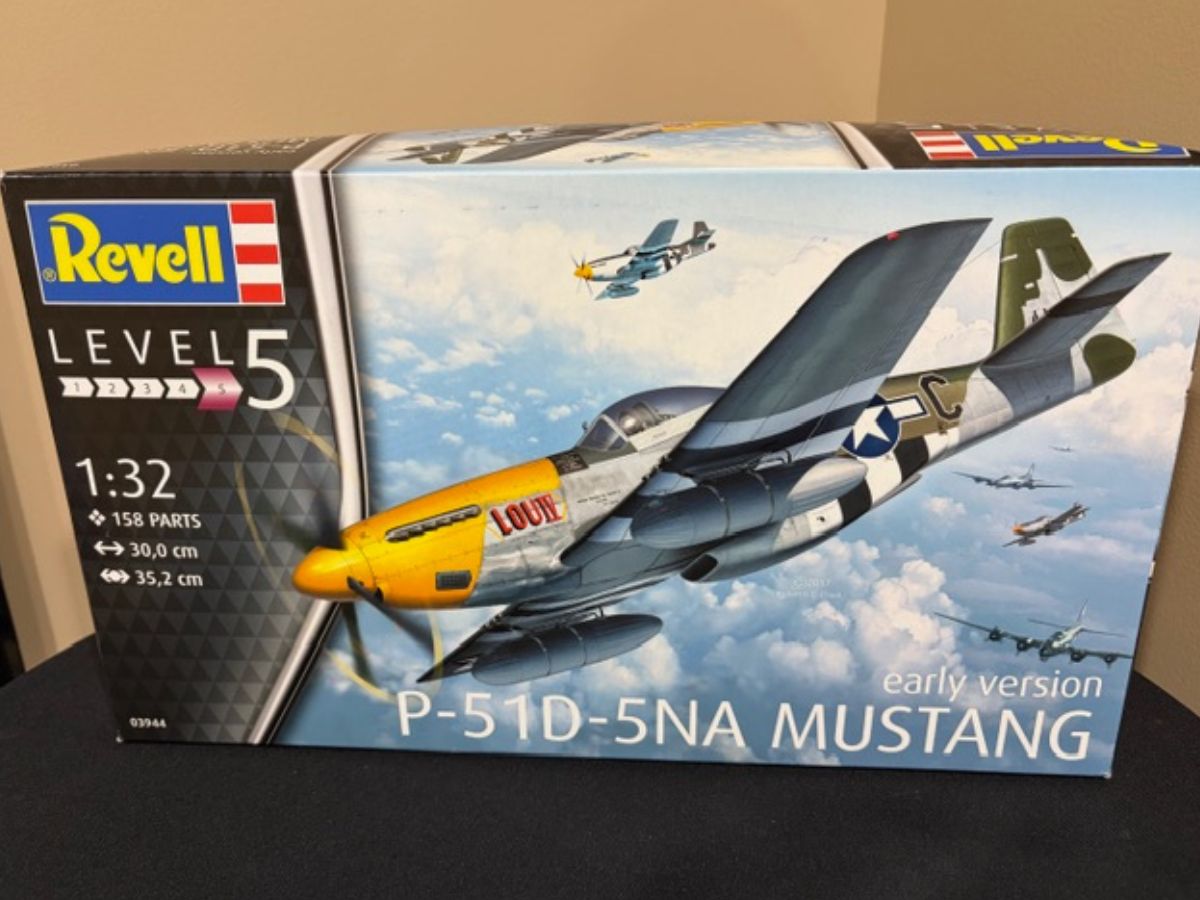
Revell 1/32 P-51D Mustang
Revell · 1/32
Tamiya 1/48 P-51D Mustang
Tamiya · 1/48
Tamiya 1/72 P-51D Mustang
Tamiya · 1/72
Written by
Steve Carmichael
I am a ww2 model enthusiast getting back into building scaled models after many years away. This site allows me to work on my web development skills while sharing what I am learning.
More Fighter Aircraft
View all →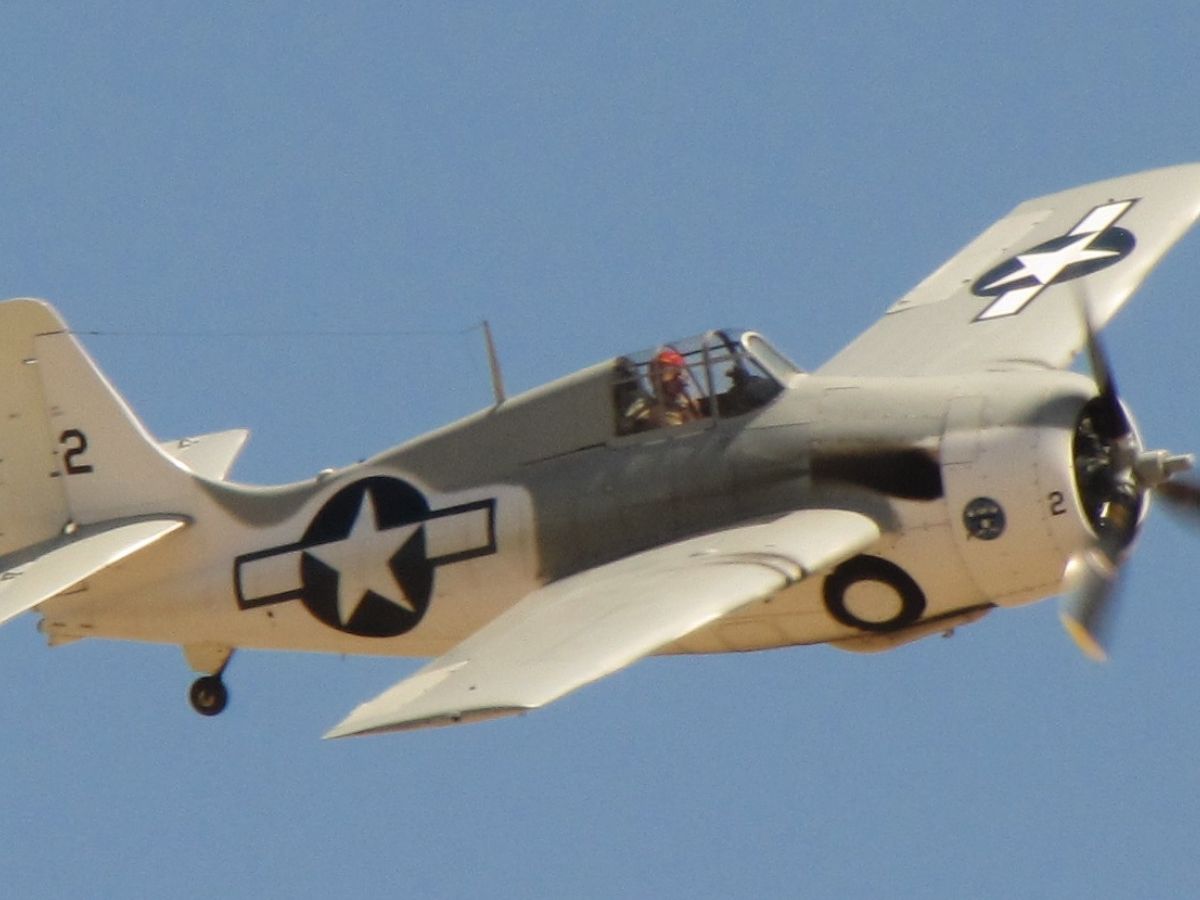 Carrier-Based Fighter
Grumman Aircraft Engineering Corporation
F4F Wildcat
 Fighter
Chance Vought Corporation
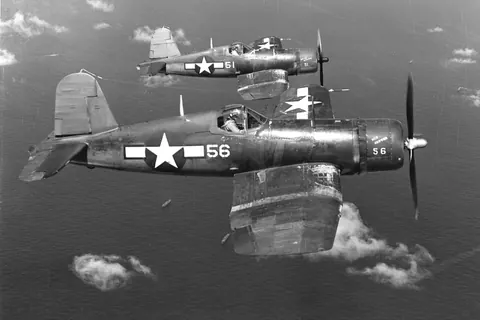
F4U Corsair
 Fighter
Grumman Aircraft Engineering Corporation
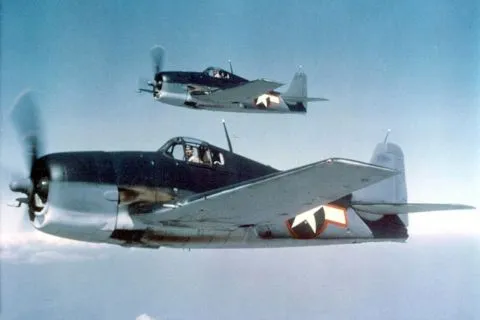
F6F Hellcat
 Twin-Engine Fighter
Lockheed Aircraft Corporation
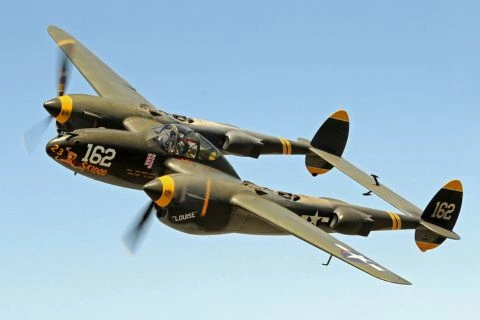
P-38 Lightning
 Fighter
Bell Aircraft Corporation
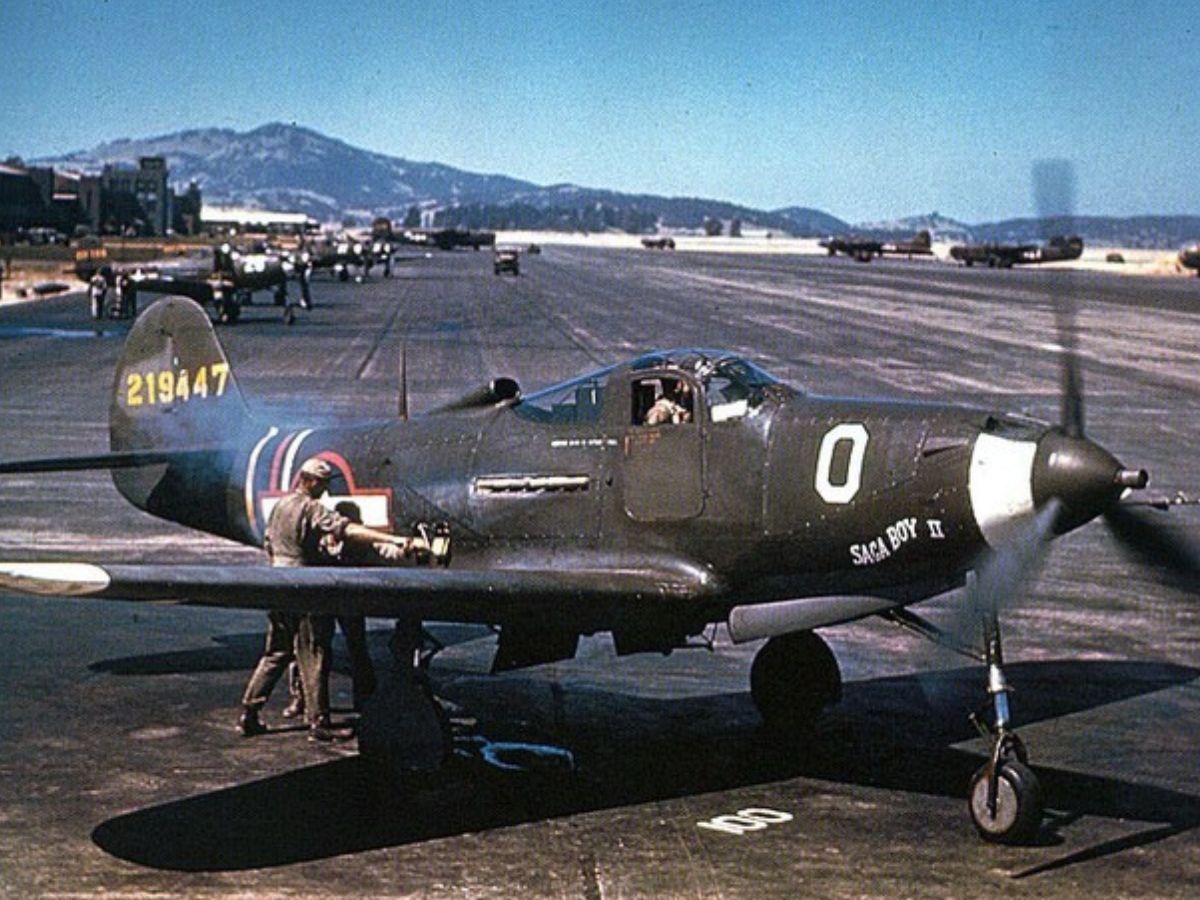
P-39 Airacobra
 Fighter
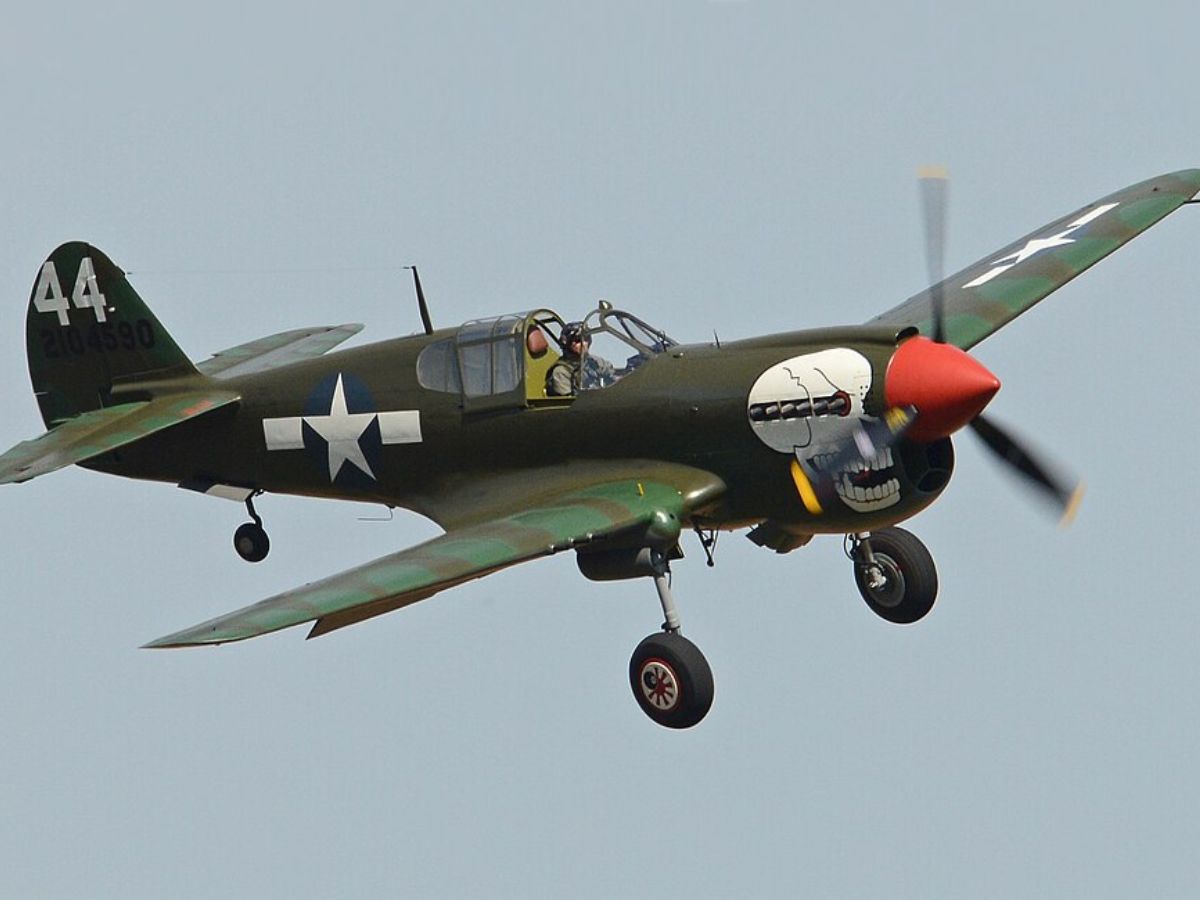
Curtiss-Wright Corporation